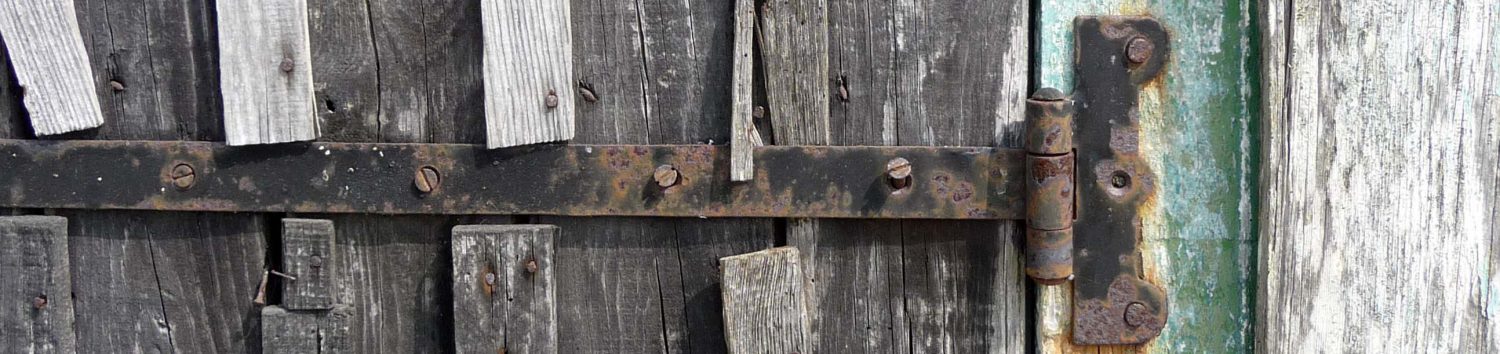


I took this photograph some ten years ago at the Cathedral in Gloucester when they were starting to assemble a sculpture Exhibition which was to feature many stunning sculptures throughout the Cathedral grounds and the building itself. This was the second time that the people at the Cathedral arranged for this sort of event.
I was involved to a small degree in that I was the lucky print guy who got the work for Severnprint where I worked in sales. We were to produce a catalogue of the exhibition as well as a map of the locations of all the sculptures to sell to the visitors. The work was demanding, in that we had to turn it around in double quick time so that once the pieces were assembled at the Cathedral and the professional photographer had bust a gut to get the pictures pronto, we had to print it in double quick time for the opening.
We had experienced this before so we knew what to expect. In the event the whole thing went like clockwork.The potential for stuff to go wrong in print is immense, especially for a job as big as this. There are many skills involved, and I was in no doubt that we had them all in the factory, and this as well as many other jobs proved my confidence to be well placed.
So when I was in Gloucester the other day for another little walkabout with my good friend Mike, we took in the Cathedral, and it reminded me of the nail biting days when we were trying to get this on and off the presses as quickly as possible. The sound of the huge four colour presses running up to ten thousand sheets and hour were music to anyone’s ears. I had it easy just getting the order, all the others had the hard graft. Someone else worked out how we were to print it and raise the job bag, this being a sort instruction manual on a vary large brown envelope with all the instructions on what goes where, programming when it goes on the presses, what sort of paper to order, the plate making, the pre press checking to make sure the artwork was in the right state to print, how it was to be bound, what sort of finishing was to be done, how it was to be folded and guillotined ( there’s a keen nerve wracking job, one miss cut through a few hundred sheets of paper and you have a problem ), then someone to fold it all, get it all to the binders, get it back, pack it, check it, and deliver.




This was the machine room which had some wonderful full colour presses that were capable of printing around ten thousand sheets of A2 paper an hour, it was a joy to hear them thundering away, now sadly silent.
Sadly, all these people with all those skills are no longer practising in Gloucester. Severnprint closed its doors last year. Some of them have gone on to pastures new with other printers and kept their skills going, some like me have retired, some simply lost their jobs after the place closed down after new management and some shenanigans did for it. I thought the place would go on forever, with younger people coming in learning new skills. Not from me, all I knew is how to flatter a client! A consummate bullshit professional: ” You’ve lost weight!”, “Look at you with your immense dress sense” and “Where do you get your hair done, do you think they could do anything for me?” ( the last one was usually seen through as I was and am tonsorially challenged)
The Cathedral job was an unusually large one for me as I was generally charged with looking after smaller clients, individuals who wanted a few business cards or the odd leaflet, artists looking for someone to print their greetings card. Small businesses looking for essential printed paperwork, chicken farmers wanting labels for their chickens, home made soap makers, artists, haulage companies, engineers, eccentrics, acupuncturists, gardeners, and people wanting to print their stories in books. ( some good, others unusually awful )Generally I ended up with the less corporate of clients, a wide range of customers who knew even less about print than I did. I met a lot of people and few that I did not like, including my work place colleagues.
A couple of customer examples: the Greek couple who ran a haulage business just off the A38. Greek Haulage did exactly as it says on the tin. They drove to Greece and back. The couple operated then out of an old shipping container, with windows, with a desk at each end. It was heated to Greek summer temperatures all year round and the odour of warm dog and cigarettes filled the small space. Just as heated were their arguments across the space with the odd missile thrown in here and there. But it was all Greek passion, they were generally fond of each other and he always came back from Greece. One year I produced a calendar to give to customers at Christmas and in one year we featured a number of my clients, including Greek transport, and featured a picture of the man himself with his nicotine stained dog. She told me later he absolutely loved it.
Then there’s the man who bought nothing. He ran a stall with his diminutive wife at the Gloucester Farmers Market selling home made pickles. Their garlic pickle, small jars of slivers of garlic poking out of a fiery red sauce, was legendary. A tiny half teaspoon was enough for a large roasted chicken. The Farmers market was a happy hunting ground for me, all those small businesses needing leaflets and business cards. I generally softened them up by buying some product and then leaving my card with them. Regular visits, especially when it was quiet gave me the chance to sell the print. But pickle man never took the bait. He hand wrote all his labels! In a fine hand too. He said he could get anything printed in Pakistani, but was charming with it. I asked him one day what he used to do, he was close or beyond retirement age, and had a cultured look to him. “I was the educational adviser to the Prime Minister of Pakistani” he told me. How did you come to be doing this then? I replied. “ I retired and we came to live over here to be near our sons and we did the house, and then the garden, and we got bored and started to do this” It was one of the best stalls on the market and although they never bought anything from me, his charming wife always gave me an extra vegetable samosa when I bought from them. I wonder what became of them?
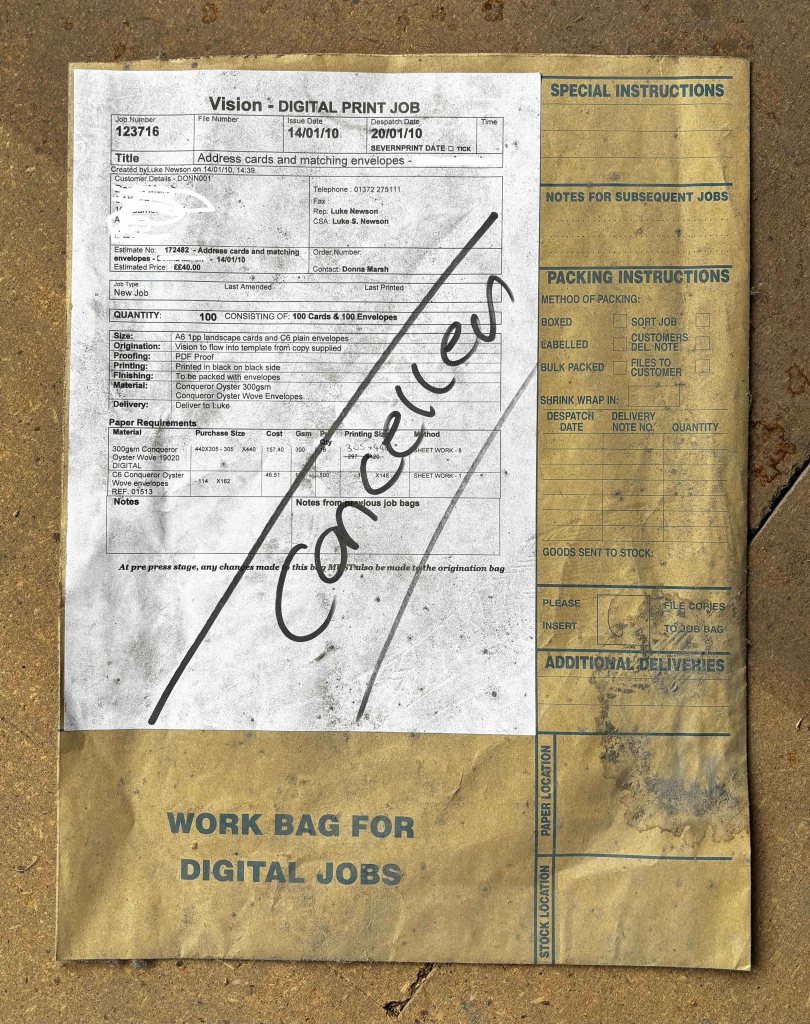
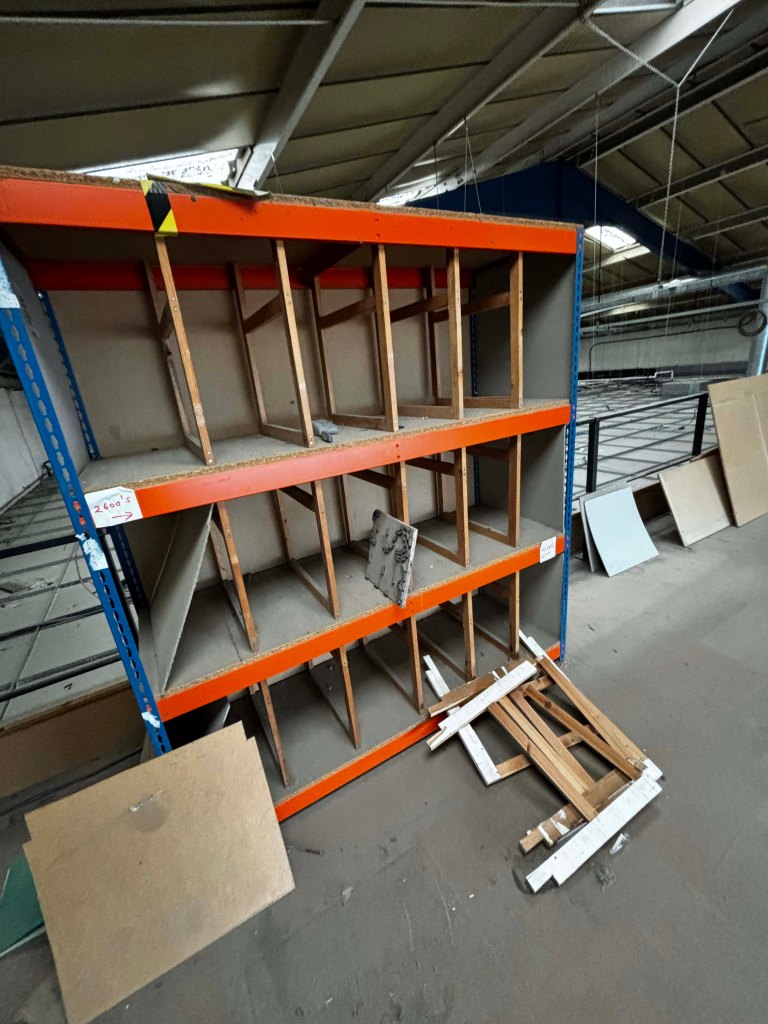
I was lucky enough a few months to go and have one last look at Severnprint and meet my ex boss, David, who was the Sales Director and who had retired along with his brothers and co owners well before the recent demise. It was they who took on Severnprint after the surprise sudden death of their father who started it all back in the 70s. It was they who steered it to some success and gave employment to such skilled people over 55 years. It was oddly spooky to see the place empty of everything. A place where the old files and job bags used to be kept in massive racks on a mezzanine floor, all in number order and going back several years. There must have been thousands of job bags kept there with printed samples of what we had done, that we could retrieve and reprint. A superb system. We kept digital files too, thousands of those too, some going back ten or more years. So we could have found the original files for the Sculpture Exhibition within a few minutes on the computer and then go and find the relevant job bag in the rack within a few minutes. On my visit this time just one job bag remained, and that by mistake, a dusty survivor on the floor, with the name of the man who wrote it on there, Luke, who left years before the place closed down and now runs a very successful business on the A40 going towards Ross on Wye, a garden centre and cafe. The Fairview Garden is well worth a visit, excellent plants, friendly staff and some great food in the cafe. The boy done well!
So there I was, with David, standing in the middle of all this empty factory, the only evidence of what was there, a clocking in area with names of the victims of the closure and some bits of wood that were once racks for the job bags and Luke’s ghostly job bag. I came away with a few lengths of the wood and in true Severnprint tradition I recycled them. The company had a fine reputation as environmental pioneers in print. We even made bird boxes out of old pallets with the roof hinge and top made from old litho blankets. There may still be birds across the county using our Severnprint homes. It’s possible that some still survive in the county. I recycled the wood pieces into marker posts for a tree nursery that grow trees for charity, the Cheltenham Tree Group. I do their website for them too. How worthy can you get?
When I first started at the place, and I was lucky to find a job at 58, the place was buzzing. I’d been used to going to ‘work’ down the hallway to my office in the house. I’d been a freelance cartoonist for 30 years and it had given me a good living, a very good living and then a ‘not so good living’ for a few years. I was sort of ‘cartooned out’ as a friend in the same business put it. He too took a ‘proper’ job working for Wiltshire Wildlife, and lucky me, they became clients. It’s who you know!
So the Cathedral reminded me of those days, when I was lucky enough to see the place on a regular footing, even getting the chance to phograph their own sculptures in the masons workshops. Their head mason a Frenchman who smiled a lot from beneath his permanently dusty overalls and is still there, he told me he was a big fan of the work of Bill Tidy, a well known British cartoonist ( if you’ve never heard of him look him up, great drawer, very funny stuff )
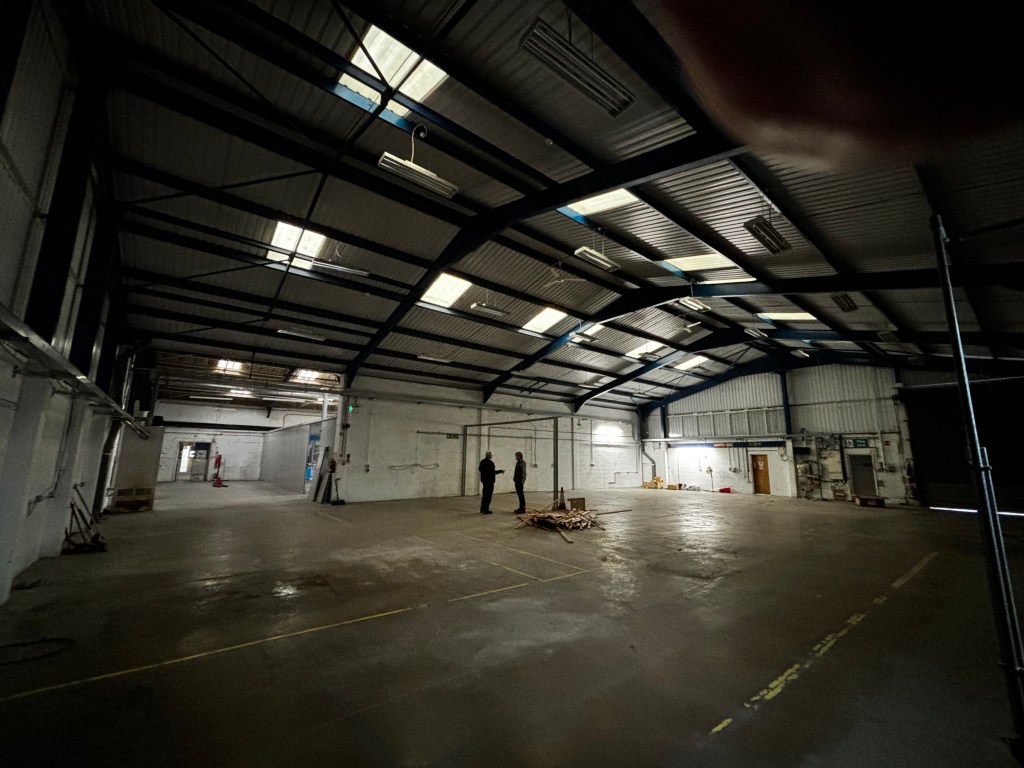
I wrote about Severnprint’s sad demise just after it happened some time ago, and wrote this and took the pictures in December last year. I held off publication as the factory was then empty, but in the process of being sold on. That has now happened and the link with the brothers who ran it is now also sadly broken. That place saw a lot of very hard work and the good and at times the bad parts of a lot of peoples lives. Print is an ephemeral medium and much of the paper that went through that place will have been recycled. Life stories of a piece of paper.
I still though have my copy of the Cathedrals Sculpture Brochure.
 Paul Davies Cartoons & stuff
I remember the sculpture exhibition- it was very good.The ones